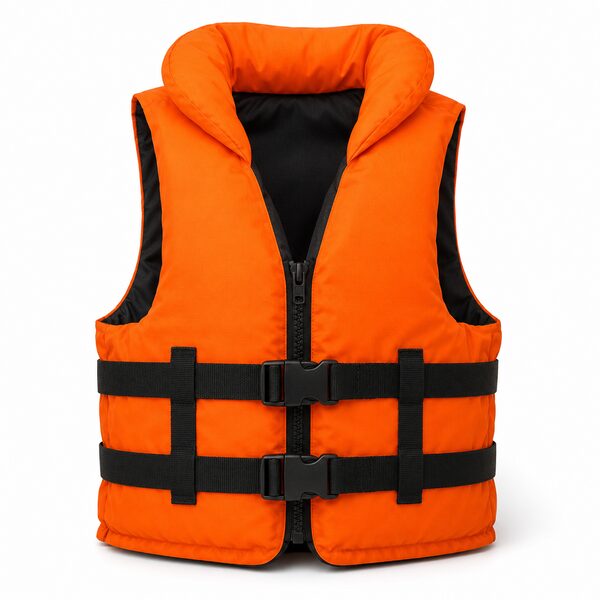
Onyx MoveVent Dynamic Vest
A ventilated, mesh-back foam vest built for active use — kayaking, paddling, and fishing. Wide arm openings and breathable panels make it comfortable enough to wear all day.
Safety gear isn't where you save money. U.S. Coast Guard rules require a wearable, properly-sized life jacket (PFD) for every person aboard, plus a throwable device on most boats 16 feet and longer. The best PFD is the one you'll actually wear — so comfort and fit matter as much as the rating.
Below are three reliable choices spanning a comfortable foam paddling vest, a low-profile inflatable, and a budget-friendly universal vest for guests. All wearable PFDs you buy should be U.S. Coast Guard approved and sized to the wearer.
Proven models that balance price, durability, and real-world performance. Prices change often — tap through for the current price.

A ventilated, mesh-back foam vest built for active use — kayaking, paddling, and fishing. Wide arm openings and breathable panels make it comfortable enough to wear all day.

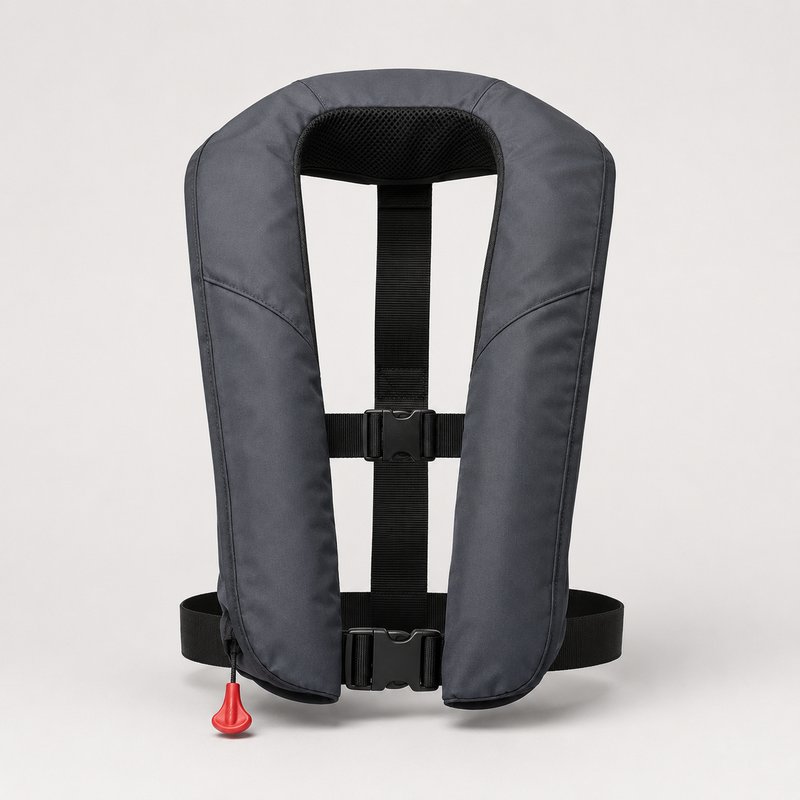
A slim, low-bulk inflatable that's barely noticeable until you need it. Inflates automatically on immersion or manually by pull cord, with an oral backup tube. Best for adults who'll otherwise leave a bulky vest off.

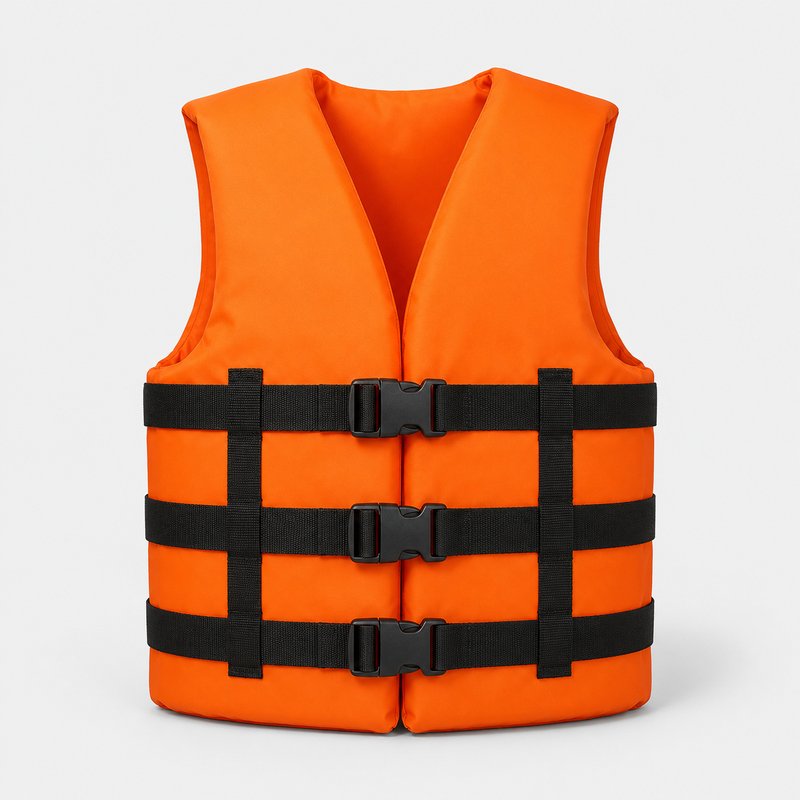
A simple, affordable universal-fit foam vest — ideal for keeping spares aboard for guests. Durable nylon shell with adjustable belts and an open-sides design that fits a wide range of adults.
Type I offshore vests offer the most flotation and turn most unconscious wearers face-up. Type II near-shore and Type III flotation aids are more comfortable for calm, near-shore use. Inflatables are compact and comfortable but require maintenance and a manual or auto trigger.
A PFD only works if it fits. It should be snug — lift it by the shoulders and it shouldn't ride up past your chin. Match adult and child vests to weight and chest size, and never put an adult vest on a child.
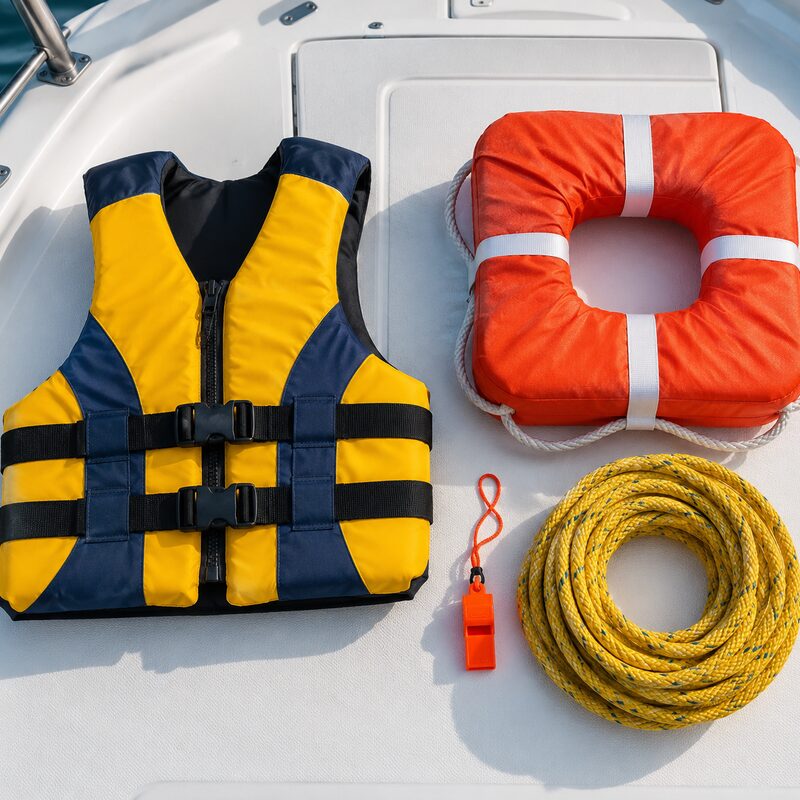
Beyond wearable PFDs for everyone aboard, U.S. boats 16 ft and over generally need a throwable (Type IV) cushion or ring. A sound-signaling device (whistle or horn) and visual distress signals round out the basics — check your state's requirements.
A throw rope or ring buoy, a waterproof whistle on each vest, and an engine kill-switch lanyard are inexpensive and can be lifesaving. Inflatable PFDs need their CO2 cartridge and trigger checked at the start of each season.
The most-cited fact in recreational boating safety: in the large majority of fatal boating accidents where the cause of death was drowning, the victim was not wearing a life jacket. The PFD only helps if it's on before you're in the water.
U.S. Coast Guard rules require one properly-fitting, wearable PFD for every person aboard. Boats 16 feet and longer (except canoes and kayaks) also need at least one throwable Type IV device.
Many are, for adults, but they carry conditions — for example, they must typically be worn to count toward your required count, and they aren't approved for young children or some high-impact watersports. Check the label.
Both are flotation aids for calmer, near-shore water. Type III vests are generally more comfortable and designed for activities like paddling and fishing, while Type II is a simpler near-shore buoyant vest. Neither is intended for rough offshore conditions.
Yes. Use a PFD rated for the child's weight, with a crotch strap and grab handle for the youngest, and never substitute an adult vest. Many states require children under a certain age to wear a PFD at all times underway.
Affiliate Disclosure: BoatGear.co is reader-supported. When you buy through links on our site, we may earn an affiliate commission at no additional cost to you. As an Amazon Associate and eBay Partner, we earn from qualifying purchases. We only recommend gear we'd use ourselves, and we never invent specs or reviews.