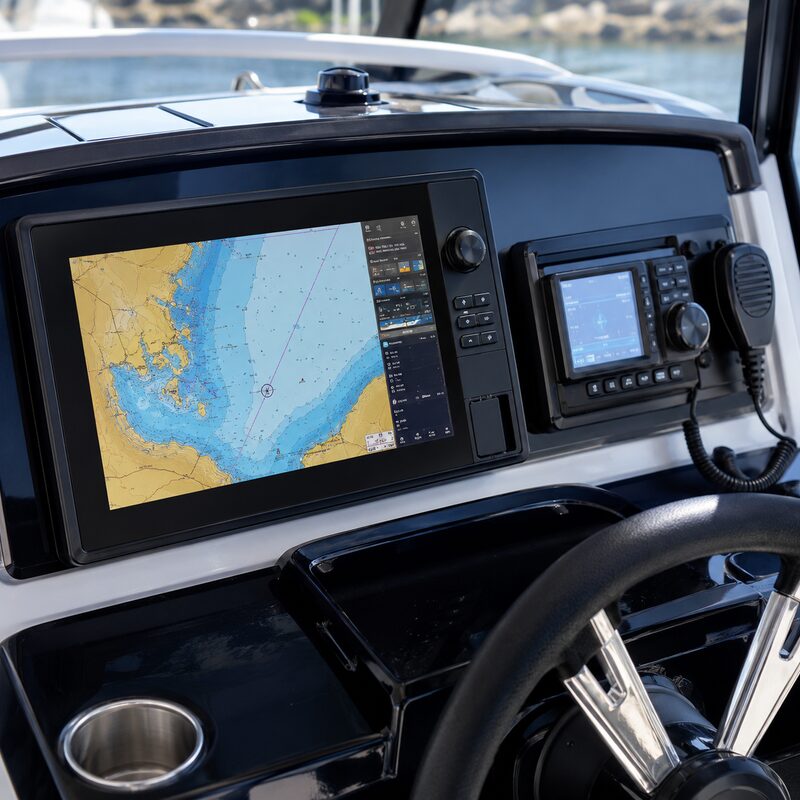
Marine GPS chartplotter and VHF radio mounted at a boat helm
Category · Navigation

Best Marine Electronics for 2026

Marine electronics do two jobs: help you navigate safely and help you find fish. For most recreational boats, that means a GPS chartplotter (often combined with sonar), and a VHF radio for communication and emergencies. You don't need a glass-bridge setup — you need the right screen and a reliable radio.

Marine electronics do two jobs: help you navigate safely and help you find fish. For most recreational boats, that means a GPS chartplotter (often combined with sonar), and a VHF radio for communication and emergencies. You don't need a glass-bridge setup — you need the right screen and a reliable radio.

These three cover the essentials: a do-it-all chartplotter/sonar combo, a budget GPS fishfinder, and a fixed-mount VHF with built-in GPS for safety. Screen sizes and chart regions vary by model, so match them to your boat and waters.

Top Picks · 2026

Our Recommendations

Proven models that balance price, durability, and real-world performance. Prices change often — tap through for the current price.

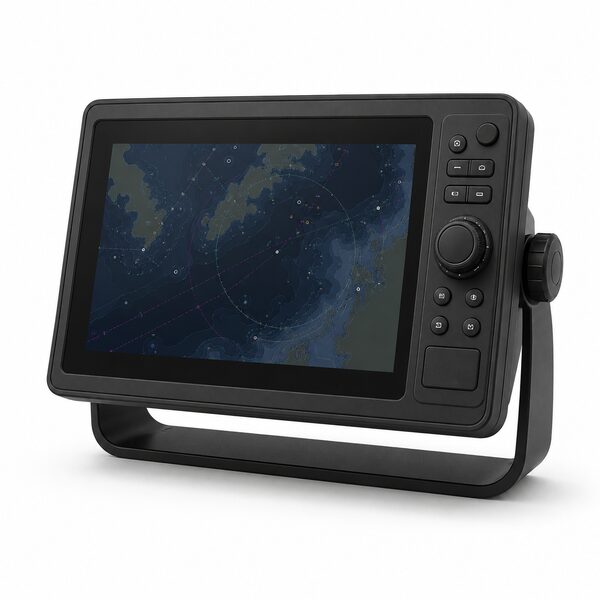
Best All-AroundGarmin marine chartplotter and sonar display unit
Chartplotter + Sonar

Garmin ECHOMAP UHD2

A combo chartplotter and high-detail sonar in one display — preloaded charts, quickdraw contour mapping, and crisp down/side imaging. The most versatile single screen for most boats.

TypePlotter + sonar
Screen7–9 in (varies)
SonarDown/side imaging
MapsPreloaded
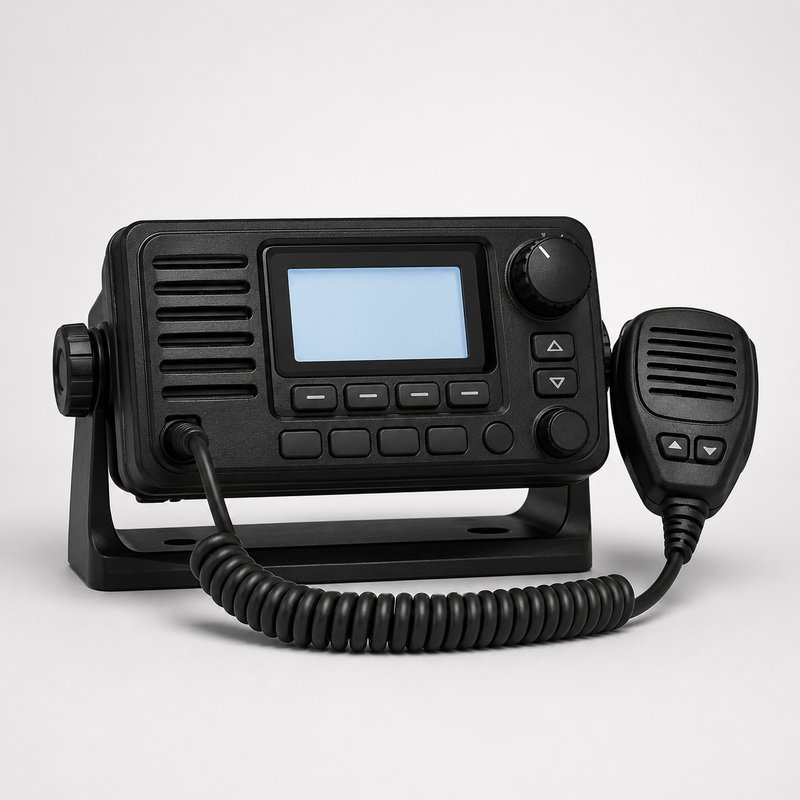
Best VHFFixed-mount marine VHF radio with display
Fixed-Mount · GPS

Standard Horizon GX1700 VHF

A fixed-mount VHF with a built-in GPS receiver and DSC distress calling — press the red button and it broadcasts your position to nearby boats and rescue. Communication gear you hope to never need but must have.

TypeFixed VHF
Power25W
SafetyDSC + GPS
MountHelm
Best Budget GPSCompact GPS fishfinder display for small boats
GPS Fishfinder

Garmin Striker Vivid

A wallet-friendly GPS fishfinder with bright, high-contrast sonar color palettes and waypoint marking. No preloaded charts, but it maps your own contours — a great first sonar for small boats.

TypeGPS fishfinder
Screen4–7 in (varies)
SonarCHIRP + Vivid
MapsSelf-map
Buyer's Guide

How to Choose

Decide plotter, sonar, or both

A chartplotter shows your position on a nautical chart for navigation. A fishfinder shows what's under the boat. Combo units do both on one screen and are the best value for most anglers — buy separates only if you want dedicated displays.

Size the screen to the helm

Bigger screens are easier to read at speed and let you split navigation and sonar side by side, but they cost more and need dash space. A 7-inch combo is a sweet spot for small-to-midsize boats; 9 inches and up suits bigger consoles.

Don't skip the VHF

A cell phone is not a substitute for a VHF radio. A fixed-mount VHF with DSC and GPS can send an automated distress call with your coordinates at the push of a button, and reaches other boats and the Coast Guard when cell service can't.

Plan transducer and power

Sonar performance depends on the transducer and where it's mounted (transom, thru-hull, or trolling-motor). Run clean power from the battery and use the supplied fuse — most display problems trace back to poor power or a bad ground.

A fixed-mount VHF with DSC is the single most important piece of safety electronics on a boat — but it only works if it's registered with an MMSI number and connected to GPS. Set that up the day you install it, not after.

Questions

Frequently Asked

Do I need a chartplotter if I have my phone?

Phone apps are useful but unreliable for primary navigation — screens wash out in sun, batteries die, and signal drops offshore. A dedicated chartplotter is built for marine use and pairs with sonar and a proper VHF.

What screen size chartplotter should I get?

Match it to your helm space and budget. A 7-inch combo reads well on small-to-midsize boats and can split charts and sonar; step up to 9 inches or larger for bigger consoles or if you run multiple data views.

Is a VHF radio required on a recreational boat?

It isn't federally required on most small recreational boats, but it's strongly recommended — and if you do carry one, DSC capability plus a registered MMSI lets it send an automated distress call with your position.

What's the difference between CHIRP and traditional sonar?

CHIRP sonar transmits a sweep of frequencies instead of a single one, which gives clearer target separation and better detail. Most current fishfinders, including budget models, now use CHIRP.

Affiliate Disclosure: BoatGear.co is reader-supported. When you buy through links on our site, we may earn an affiliate commission at no additional cost to you. As an Amazon Associate and eBay Partner, we earn from qualifying purchases. We only recommend gear we'd use ourselves, and we never invent specs or reviews.